A Guide to the First 24-hours After a Fire Damage Loss.
After sustaining Fire Damage to your home or business, the decisions you make immediately following the event will have meaningful effects on your life for the next 6 to 24 months. Therefore, it is critical for you to make the right decisions to avoid a second disaster once the excitement settles down.
Call us now at 212-295-5835 or click/tap the button to schedule a FREE Claim Review & Strategy Session with a Public Adjuster to get started.


The first 24-hours after a fire damage loss
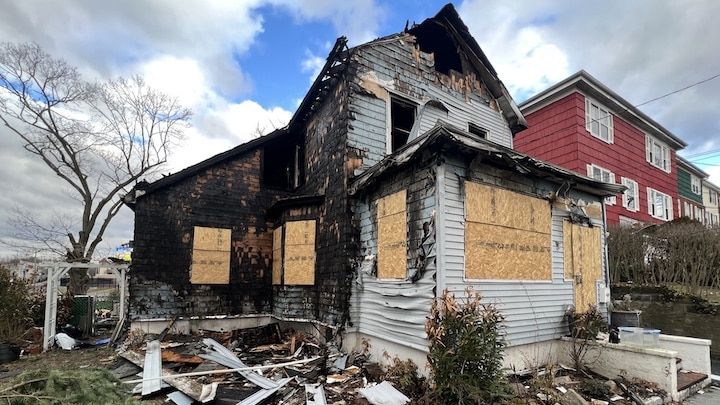
After sustaining Fire Damage , the first step is to protect your property from further damage. Typically, that means boarding up any broken windows or doors. It also means cleaning up any debris to prevent injury and ensure the property is as safe as possible to occupy. Now, there are two incredibly important things to note here. One – never disturb the scene of the fire, so if it occurred in one room, make sure that room is taped off, sealed, and that any cleanup company, tenants, or others can’t gain access because your insurance company will want to investigate the cause of loss, and if someone disturbs the scene, that would be grounds for denying your entire claim.
What to Do in the First 24 Hours After a Fire Damage Loss
(How to Protect Your Property and Set Your Claim Up Correctly From Day One)
As public adjusters who specialize in fire losses, we here at Manhattan Public Adjustment know firsthand how chaotic and overwhelming the first 24 hours after a fire can become.
In many cases, property owners suddenly find themselves dealing with firefighters, insurance representatives, emergency vendors, restoration companies, temporary housing issues, documentation concerns, and major financial decisions all at the same time.
That is why we thought it might be helpful to put together a practical step-by-step guide explaining what should happen first, what to pay attention to, and how to avoid some of the most common mistakes people make early in the process.
The goal is not to overwhelm you. The goal is to help you protect the property, preserve important evidence, and keep the claim moving in the right direction from the very beginning.
The first 24 hours after a fire are critical.
This is the stage where the foundation of the insurance claim is established, often before most property owners fully understand how many moving parts are involved.
In many cases, within the very first day alone, you may find yourself dealing with:
- The fire department
- Insurance representatives
- Emergency mitigation companies
- Board-up crews
- Restoration contractors
- Temporary housing coordinators
- Inspectors, engineers, or electricians
- Questions about documentation, cleanup, demolition, and next steps
At the same time, you are likely dealing with shock, displacement, stress, and uncertainty.
The good news is this: you do not need to solve the entire claim in the first day.
The goal of the first 24 hours is much simpler:
- Protect the property
- Preserve the condition of the loss
- Begin documenting what occurred
- Prevent additional damage
- Avoid early mistakes that become difficult to undo later
Handled properly, this stage puts you in a much stronger position moving forward.
Let’s break down what should happen first, and why each step matters.
First 24 Hours: Immediate Checklist
- Confirm the property is safe to enter
- Preserve the condition of the property
- Be intentional about how the claim is reported
- Document the entire property thoroughly
- Take reasonable steps to prevent further damage
- Begin tracking expenses immediately
- Communicate carefully and avoid assumptions
- Understand that the full scope of damage develops over time
(1) Confirm the Property Is Safe to Enter
Before re-entering the property, make sure:
- The fire department has cleared the structure
- There are no active structural concerns
- Electrical systems are safe
- Air quality is reasonably safe for entry
In some cases, electricians, structural engineers, or other specialists may become involved before full access to the property is restored.
Even if the fire appears relatively minor, hidden hazards may still exist, including:
- Structural weakening
- Electrical hazards
- Unsafe air conditions
- Compromised ceilings or flooring
- Hidden heat sources
- Smoke contamination
Broken glass is also an often-overlooked danger after a fire.
During firefighting and ventilation efforts, firefighters routinely break windows to release heat and smoke from the structure. This can create dangerous conditions both on the ground and above the property. Many property owners naturally stand outside looking upward toward the building while firefighters are actively working. Injuries from falling or airborne shards of glass occur more often than people realize.
Before approaching the property, make sure the surrounding area has been cleared for safe access.
Taking a moment to confirm the property is safe ensures everything that follows can be done properly and safely.
(2) Preserve the Condition of the Property
One of the most common mistakes property owners make after a fire is cleaning, discarding, or altering conditions too early.
At this stage, the property should remain as close to its immediate post-loss condition as possible until it has been properly documented and inspected.
This includes preserving:
Burn Areas
These are the portions of the property directly affected by flames, heat, melting, charring, or combustion. This may include framing, drywall, cabinetry, flooring, wiring, appliances, and personal property.
Burn patterns help establish the severity, spread, and scope of the fire. If damaged materials are removed too early, important evidence regarding the extent of the loss may disappear before it is properly evaluated.
Smoke Patterns
Smoke patterns include staining, discoloration, shadowing, and residue trails left behind as smoke moved throughout the structure.
Smoke rarely stays confined to the room where the fire originated. It may spread through hallways, stairwells, wall cavities, attic spaces, and HVAC systems.
These patterns often help demonstrate how far contamination traveled beyond the visibly burned areas.
Soot Residue
Soot is the microscopic residue left behind after combustion. Modern fires involving plastics, synthetic materials, foam products, wiring insulation, and household chemicals often produce highly corrosive soot that spreads extensively throughout a structure.
This becomes especially significant when a central air or forced-air HVAC system is operating during the fire, since smoke and soot may quickly circulate through vents and ductwork into areas far from the fire itself.
HVAC stands for heating, ventilation, and air conditioning systems. This includes the furnace, air conditioner, ductwork, vents, and air circulation systems throughout the property.
Returns are the vents that pull air back into the HVAC system to be recirculated throughout the home.
Air handlers are the mechanical components that move heated or cooled air through the system.
Even where surfaces appear lightly affected, contamination may still exist inside:
- Electronics
- Appliances
- Duct systems
- Insulation
- Porous materials
- Mechanical systems
Impact From Firefighting Efforts
Firefighters often create additional damage while extinguishing and ventilating the fire.
This may include:
- Water saturation
- Broken windows
- Forced doors
- Roof vent openings
- Opened ceilings or walls
- Damaged flooring
- Collapsed drywall
- Moisture trapped inside concealed spaces
Concealed spaces are areas hidden behind walls, above ceilings, beneath flooring systems, or inside attic and crawl spaces where smoke, soot, moisture, or heat may travel without immediately visible signs from the exterior.
These damages are often directly related to the covered loss and may significantly increase the scope of repairs.
Once cleanup or demolition begins, it can become much harder to demonstrate the full extent of these conditions later.
You may also begin seeing restoration or mitigation companies arrive very early in the process.
Their role is to stabilize the property, not to erase or alter conditions before they are properly documented.
It is also important to understand that restoration and mitigation companies are not there to manage or negotiate the insurance claim on your behalf. Their expertise is emergency services and restoration work, not claim representation.
In many fire losses, mitigation companies may consume significant portions of available insurance coverage through drying, demolition, cleaning, pack-out, storage, and restoration charges. While much of this work may be necessary, allowing vendors to effectively “run” the claim without independent oversight can sometimes leave policyholders with insufficient coverage remaining for other portions of the loss.
Before signing authorizations, work agreements, demolition approvals, assignment forms, or emergency service contracts, take time to fully understand what is being authorized.
Many property owners sign documents during extremely stressful moments without fully understanding the scope of work, pricing structure, cancellation provisions, or insurance implications involved.
This is one reason many policyholders choose to involve a public adjuster early in the process. A qualified public adjusting firm helps ensure the overall claim is being protected, not just one portion of it.
(3) Be Intentional About How the Claim Is Reported
Reporting the claim is the moment the formal insurance process begins.
Once the claim is reported:
- A claim file is opened
- Adjusters are assigned
- Vendors may be dispatched
- Early impressions of the loss begin forming
The information provided during the first calls and inspections often influences how the claim is initially understood moving forward.
This is important because many aspects of fire damage are not immediately obvious during the first few hours after the loss.
Understanding the Different Adjusters Involved
Many property owners understandably assume that every adjuster involved in the process is there to represent them personally.
That is not necessarily the case.
Staff Adjusters
A staff adjuster is an employee of the insurance company. Their role is to investigate and evaluate claims on behalf of the carrier.
Independent Adjusters
An independent adjuster is not a direct employee of the carrier, but is still hired by and working for the insurance company during the claim.
Both staff adjusters and independent adjusters represent the carrier’s interests during the adjustment process.
Public Adjusters
A public adjuster represents the policyholder, not the insurance company.
Public adjusters are licensed professionals retained by the insured to assist with documenting, presenting, and negotiating the claim.
In many states, including New York, public adjusters are bound by a fiduciary obligation to their client.
A fiduciary obligation is a legal and ethical duty requiring the public adjuster to act in the policyholder’s best interests throughout the claim process.
This distinction matters because different parties involved in the claim may have very different roles, obligations, and objectives.
At Manhattan Public Adjustment, this is one of the core principles behind how we approach fire losses. Our role is to advocate for the policyholder while coordinating the moving parts of a claim that can quickly become overwhelming for families trying to navigate the process alone.
Keep Early Reporting Simple and Factual
If the claim must be reported before professional guidance is involved, keep the initial report straightforward and factual.
Report:
- That a fire occurred
- The property address
- The date and approximate time of loss
- Whether emergency services are needed
Avoid guessing about:
- The full scope of damage
- What is or is not salvageable
- What may need replacement
- Whether areas are unaffected
The full picture often develops over time as inspections continue.
(4) Document the Entire Property
Begin documenting the property as soon as it is safe to do so.
This is one of the most important steps in the entire process.
Many fire losses involve far more than the visibly burned areas. Smoke, soot, heat, water, and corrosive residue may affect portions of the property that initially appear untouched.
Thorough documentation creates a record of conditions before cleanup, demolition, drying, or restoration efforts begin altering the scene.
Document Every Room Thoroughly
When documenting a room, try to capture:
- Wide overview photographs showing the full room from multiple corners
- Every wall individually
- Flooring from multiple angles
- Ceiling conditions
- Windows and doors
- Furniture placement before items are moved
- Close-up photographs of significant damage
- Smoke staining, soot deposits, water staining, and debris patterns
Video walkthroughs can also be extremely helpful because they capture how the property looked before cleanup or demolition begins.
Document All Contents and Furniture
Photograph contents before items are cleaned, discarded, packed out, or moved.
This includes:
- Furniture
- Clothing
- Electronics
- Mattresses
- Rugs
- Artwork
- Kitchen contents
- Stored belongings
- Decorative items
Many items may sustain contamination even without visible burn damage.
Document HVAC Systems and Vents
Document:
- Air handlers
- Ductwork
- Registers
- Filters
- Returns
- Mechanical rooms
HVAC systems often act as distribution pathways for smoke and soot contamination throughout the structure.
Document Appliances and Electronics
Electronics may appear operational immediately after the fire while still sustaining internal contamination or corrosion.
Photograph and document:
- TVs
- Computers
- Appliances
- Gaming systems
- Smart devices
- Mechanical equipment
Document Areas That May Seem Unaffected
Do not overlook:
- Closets
- Cabinets
- Attics
- Basements
- Crawl spaces
- Utility rooms
- Storage areas
Some of the most significant smoke and moisture issues develop in areas initially assumed to be unaffected.
In larger losses, additional specialists may also become involved, including:
- Contents inventory companies
- HVAC specialists
- Electronics evaluators
- Environmental testing firms
- Soot analysis companies
- Moisture and drying experts
Capturing a complete record early helps ensure important conditions are not overlooked before they begin changing.
(5) Take Reasonable Steps to Protect the Property
Most insurance policies require property owners to take reasonable steps to prevent further damage after a loss.
This is commonly referred to as mitigating the damage.
The goal is not to fully repair the property immediately. The goal is to stabilize conditions and prevent avoidable secondary damage from developing.
This often includes:
Securing Openings
Properties may be left exposed through:
- Broken windows
- Damaged doors
- Roof openings
- Structural breaches
Boarding and temporary securing measures help prevent:
- Theft
- Weather intrusion
- Trespassing
- Additional deterioration
Tarping Exposed Areas
Temporary tarping may be needed where firefighting operations or structural damage leave portions of the property exposed to the elements.
This helps prevent rain and outside moisture from creating additional damage after the fire.
Addressing Standing Water
Water used during suppression efforts may remain trapped inside:
- Flooring systems
- Wall cavities
- Insulation
- Basements
- Concealed spaces
Prompt drying and extraction help reduce the likelihood of:
- Structural deterioration
- Odor development
- Corrosion
- Microbial growth
Microbial growth refers to the development of mold, bacteria, or other biological contamination that may occur when moisture remains trapped inside walls, insulation, flooring, or other building materials after firefighting efforts.
Emergency work is often performed by:
- Board-up companies
- Mitigation contractors
- Water extraction and drying teams
While emergency stabilization is often necessary, it is still important to understand what work is being authorized and to ensure conditions are documented before major demolition or disposal occurs whenever possible.
Again, do not sign contracts, work authorizations, assignment agreements, or demolition approvals unless you fully understand what is being authorized and how it may affect the overall claim.
(6) Begin Tracking Expenses Immediately
One of the largest areas where policyholders unintentionally leave money unclaimed after a fire is Additional Living Expense coverage, often referred to as ALE or Loss of Use coverage.
ALE is designed to help cover the increased cost of living created by the fire loss while the property is being restored.
Often the assumption will be “only hotel costs qualify”. In reality, increased expenses can extend into many other categories as displacement continues.
Unfortunately, many policyholders either fail to track these expenses properly or never realize they may have been recoverable in the first place.
Once receipts, invoices, and records are lost, it can become extremely difficult to reconstruct these expenses later.
From the very beginning, keep records of:
- Temporary housing
- Hotel stays
- Food expenses
- Transportation costs
- Emergency purchases
- Storage expenses
- Vendor invoices
- Emergency services
Save:
- Receipts
- Invoices
- Booking confirmations
- Contracts
- Payment records
- Mileage logs
- Photographs
- Written communications
As the claim develops, organized documentation becomes far easier to manage than attempting to recreate expenses weeks or months later.
This is another area where experienced public adjusters often provide significant value. Many policyholders are simply never told what expenses may potentially qualify, what documentation should be maintained, or how these portions of the claim are properly presented.
(7) Communicate Clearly and Avoid Assumptions
In the days immediately following a fire, you may find yourself communicating with:
- Insurance adjusters
- Engineers
- Inspectors
- Contractors
- Mitigation companies
- Temporary housing coordinators
- Environmental specialists
Because the full extent of damage is rarely known immediately, communication should remain careful, factual, and measured.
It often helps to:
Stick to Known Facts
Describe what is actually known or observed rather than speculating about conditions that have not yet been fully evaluated.
Avoid Assumptions
Do not assume rooms, systems, or contents are unaffected simply because damage is not immediately visible.
Smoke contamination, moisture intrusion, soot residue, and corrosion frequently extend beyond the visibly damaged areas.
Allow the Full Picture to Develop
Large or complex fire losses often evolve as inspections continue and hidden damage becomes visible over time.
The goal is not to exaggerate the loss. The goal is simply to avoid prematurely limiting the understanding of the damage before the property has been fully evaluated.
(8) Understand That the Full Scope Develops Over Time
One of the most important things to understand after a fire is that the full extent of damage is rarely known immediately.
Some impacts are obvious right away.
Others develop gradually.
Over time:
- Smoke odors may return
- Corrosion may continue developing
- Materials may deteriorate further
- Hidden moisture issues may emerge
- Electronics and HVAC systems may begin showing problems later
This is especially true in modern fires involving synthetic materials and microscopic particulate contamination.
As the claim develops, additional specialists may become involved depending on what conditions are discovered during inspection and remediation.
This is not unusual.
Fire claims often evolve as:
- Demolition exposes hidden damage
- Moisture mapping identifies concealed water intrusion
- HVAC systems are inspected
- Electronics are evaluated
- Environmental testing is performed
- Smoke contamination spread becomes clearer
Recognizing this early helps avoid prematurely limiting the scope of the loss before the property has been fully evaluated.
Initial appearances do not always reflect the final extent of fire-related damage.
Final Thoughts
Fire losses become complicated very quickly.
Between emergency mitigation, smoke contamination, documentation, temporary housing, contents inventories, vendor coordination, inspections, and insurance claim management, most property owners quickly realize this is far more than simply “filing a claim.”
That is why Public Adjusters exist.
A qualified public adjuster helps protect the policyholder’s interests throughout the process, coordinates the moving parts of the claim, ensures damages are properly documented, and helps prevent important portions of the loss from being overlooked or undervalued.
And in larger or more complex losses, having an experienced public adjusting firm behind you becomes even more important. Fire claims often involve multiple specialists, consultants, vendors, inspections, and evolving conditions over time.
As the #1 Public Adjuster Firm in Manhattan, our role is to help policyholders regain control during one of the most stressful moments they may ever experience.
The first 24 hours matter.
Handling them correctly can make an enormous difference in how the rest of the claim unfolds.
Ready for your Claim Concierge Call?
Call us now at 212-295-5835 or click/tap the button to schedule a FREE Claim Review & Strategy Session with a Public Adjuster to get started.
Fire Claims We've Settled
With our team approach, we have achieved results for our clients that other Public Adjusters could only dream of.

$1,234,034
Washington Heights, New York
4th floor kitchen fire.

$2,534,003
Middletown, Connecticut
Accidental fire caused by a discarded lit cigarette on an exterior deck.

$543,342
Plainview, New York
Electrical fire caused by faulty wiring.
What Our Clients Are Saying
“They know the ins and outs of what an insurance company owes to their insured and that knowledge was able to help us secure far more coverage than we would have been able to ourselves, which far exceeded the investment in working with them. Manhattan Public Adjusters should be your first call after any loss. TEN STARS!!”
-Hillary Sloan
Brooklyn, New York
“…Their expertise, combined with the skilled dedication of the entire team, transformed our insurance claim experience from overwhelming and frustrating to incredibly successful…”
-Chris Gunn
Washington Heights, New York, NY
“Incredible levels of service and honesty. They stay engaged after all payments have been made.”
-Eric Weisberg
Midtown, New York, NY
“I worked with Jennifer K on a very complicated matter–significant water damage throughout an entire historic townhouse–that I came into midway through the process. It was like finding a port in the storm when I took over the work to meet Jennifer… I truly don’t know how I could have gotten all of this done without her, and as difficult as this work was, it was always a pleasure to speak with her. I recommend Jennifer and Manhattan Public Adjustment very very highly.”
-Terence Dougherty
Gramercy Park, New York, NY
“…Great establishment to team with on fire insurance claims. They provide step by step guidance throughout the process and ensured that we received the funds necessary to rebuild…”
-Jamaal Watkins
East New York, Brooklyn, NY
“…We had an outstanding experience with Manhattan Public Adjustment. Their team’s professionalism and experience stood out throughout the entire insurance process. Clear communication, attention to detail, and impressive results make them our top recommendation for anyone navigating insurance complexities….”
-Maya Stepniarek
SoHo, New York, NY
“…My neighbor had a house fire which damaged the left side of my home. Manhattan Public Adjustment, came to my home and helped my family in the most stressful time in our lives. We didn’t have to do anything. They worked behind the scenes and fought the insurance company for the worth of the fire damage and delivered. I highly recommend this company. They are very professional, and caring and trustworthy…”
-Jessica Cannady
Flatbush, Brooklyn, NY
“…Pipe broke in the crawl space and the whole end of the house needed to be gutted. Been in construction for seven months and this company has been with us every step of the way. Been getting steady reimbursements as the project progressed for all expenses. They showed up immediately and are handling everything smoothly. What a great experience from an awful experience, well worth it!”
-Tracy Gardell
Montauk, NY
“When the unthinkable happened and the hot water baseboard heat malfunctioned flooding our home of 33 years, our insurance company was anything but helpful. My husband and I were a thousand miles away, where he was undergoing chemotherapy and too ill to return to our flooded home. Jennifer was very helpful, assisting us, answering our questions, and most importantly challenging the insurance company.”
-Ginny Nuffer
Olean, NY
Get Your Free Claim Review & Strategy Session With A Licensed Public Adjuster Now
On the roughly 45-minute call, we’ll review your damages, coverages, and claim goals, and create a personalized strategy to help you get paid the maximum settlement, expedite your recovery, and navigate the claims process successfully.
Click the button or call 212-540-4150 to schedule a FREE Claim Review & Strategy Session with a Public Adjuster now.
